
Artificial disc replacement cervical procedures have changed the way chronic neck pain and nerve compression are treated. Instead of permanently fusing vertebrae together, this approach replaces a damaged disc with an implant that allows the neck to continue moving naturally. For many patients who struggle with stiffness, tingling in the arms, or weakness in the shoulders, artificial disc replacement cervical offers relief while preserving flexibility and strength.
This article explains what artificial disc replacement cervical involves, who can benefit, how the surgery is performed, and what patients can expect during recovery.
Understanding Cervical Disc Disorders
The cervical spine contains seven vertebrae separated by soft discs that cushion movement. These discs absorb shock and allow the neck to bend, rotate, and support the head.
Causes of Disc Damage
Over time, discs lose moisture and elasticity. Age related degeneration, repetitive strain from poor posture, and injuries such as whiplash can all cause discs to bulge or rupture. When this happens, nerves become irritated and pain follows.
Symptoms That Prompt Evaluation
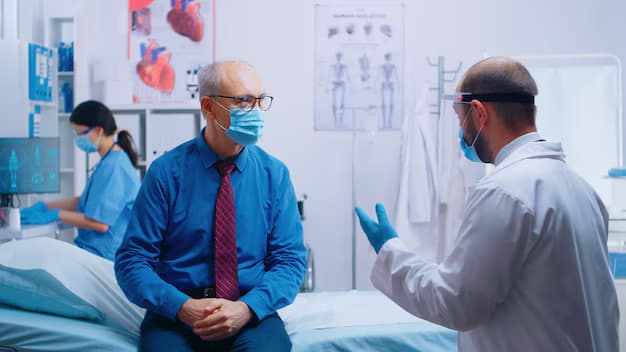
Neck stiffness, headaches, tingling in the fingers, numbness in the arms, and reduced grip strength are common signs that a cervical disc is not functioning properly. When these symptoms persist despite therapy and medication, surgical intervention may be considered.
What Is Artificial Disc Replacement Cervical
Artificial disc replacement cervical is a motion preserving procedure that removes the damaged disc and inserts an implant designed to mimic the movement of a natural disc.
How It Differs From Fusion
Fusion surgery eliminates motion at the treated level by joining two bones together. While this can relieve pain, it often places extra stress on neighboring discs. Artificial disc replacement cervical maintains motion, which may help protect adjacent segments from wear.
Ideal Candidates
Patients with one or two levels of disc disease who do not have severe arthritis, spinal instability, or significant osteoporosis are often good candidates.
Preoperative Evaluation and Preparation
Preparation ensures safety and optimal results.
Diagnostic Imaging
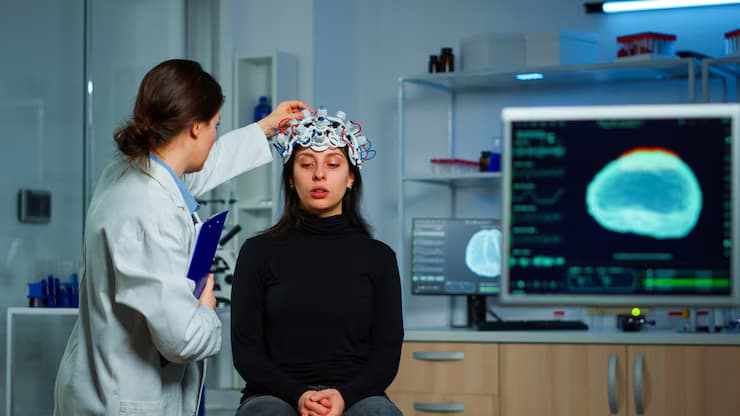
Magnetic resonance imaging and computed tomography scans confirm the exact location and extent of disc damage. These studies also rule out other conditions that might affect the choice of surgery.
Medical Readiness
Blood work, heart tests, and medication reviews help identify potential risks. Lifestyle changes such as quitting smoking are encouraged to improve healing.
The Surgical Process
Artificial disc replacement cervical is performed under general anesthesia.
Surgical Approach
A small incision is made at the front of the neck to reach the spine. This approach avoids disturbing the spinal cord and provides direct access to the disc.
Implant Placement
Once the damaged disc is removed, the artificial implant is positioned between the vertebrae. Its design allows controlled movement in multiple directions.
Duration and Hospital Stay
The operation typically lasts a few hours. Most patients stay in the hospital for one or two days for observation.
Recovery and Rehabilitation
Healing is gradual and supported by a structured plan.
Immediate Postoperative Care
Patients may experience mild soreness or swallowing difficulty. These symptoms usually resolve within days.
Physical Therapy
Therapy begins soon after surgery. Exercises focus on restoring strength, flexibility, and posture.
Return to Normal Activities
Many patients resume desk work within a few weeks. More demanding activities are introduced gradually.
Benefits of Artificial Disc Replacement Cervical
This procedure offers unique advantages.
Preservation of Motion
By maintaining natural movement, patients often feel less stiffness and greater comfort in daily activities.
Reduced Adjacent Segment Stress
Keeping motion at the treated level may decrease the risk of future disc problems nearby.
Faster Recovery
Patients frequently return to normal routines sooner compared to traditional fusion surgery.
Risks and Considerations
Although generally safe, surgery always carries potential risks.
Possible Complications
Infection, nerve irritation, or implant related issues can occur, though they are uncommon with proper care.
Importance of Follow Up
Regular visits ensure the implant remains in proper position and the spine heals as expected.
Emotional and Lifestyle Impact
Relief from chronic neck pain often transforms quality of life.
Improved Confidence
Restored mobility and reduced discomfort help patients regain confidence in their physical abilities.
Renewed Participation
Hobbies, exercise, and social interactions become enjoyable again without constant pain.
Advances in Cervical Disc Technology
Innovation continues to enhance outcomes.
Improved Implant Design
New materials better replicate the movement of natural discs and increase durability.
Personalized Surgical Planning
Advanced imaging allows surgeons to tailor the procedure to each patient’s anatomy.
Conclusion
Artificial disc replacement cervical is a motion preserving solution for patients with painful cervical disc disorders. By restoring movement and relieving nerve compression, it offers long term comfort and improved quality of life.
For those seeking expert evaluation and compassionate care for artificial disc replacement cervical procedures, Robert Louis MD provides comprehensive guidance from diagnosis through recovery.




Write a comment ...