
Astrocytoma is a complex type of brain tumor that arises from astrocytes, which are supportive cells in the central nervous system. Because astrocytomas can vary widely in terms of grade, growth rate, location, and impact on neurological function, treatment cannot follow a single standard approach for every patient. Modern medicine increasingly emphasizes personalized astrocytoma treatment plans that are tailored to the individual characteristics of both the tumor and the person affected. This personalized approach aims to improve outcomes, reduce side effects, and support overall quality of life throughout the treatment journey.
Understanding Astrocytoma and Its Variability
Astrocytomas are classified as gliomas and can occur in both children and adults. Their behavior ranges from slow growing tumors that may remain stable for years to aggressive forms that progress rapidly. Understanding this variability is essential when designing an effective astrocytoma treatment strategy.
Types and Grades of Astrocytoma
Astrocytomas are commonly categorized by grade, which reflects how abnormal the tumor cells appear under a microscope and how quickly they are likely to grow. Lower grade astrocytomas tend to grow more slowly and may be managed with careful monitoring or limited intervention. Higher grade astrocytomas, including anaplastic astrocytoma and glioblastoma, often require more intensive and immediate treatment.
The grade of the tumor plays a central role in determining the appropriate astrocytoma treatment plan. A personalized approach ensures that therapy intensity matches the biological behavior of the tumor.
Symptoms and Individual Impact
Symptoms of astrocytoma can vary depending on the tumor location and size. Common symptoms include headaches, seizures, cognitive changes, and difficulties with movement or speech. Because each person experiences symptoms differently, personalized astrocytoma treatment also takes into account how the tumor affects daily functioning and overall well being.
The Importance of Personalized Astrocytoma Treatment
Personalized astrocytoma treatment focuses on tailoring care to the unique needs of each patient. This approach moves beyond a one size fits all model and instead integrates multiple factors that influence treatment success.
Factors Influencing Treatment Decisions
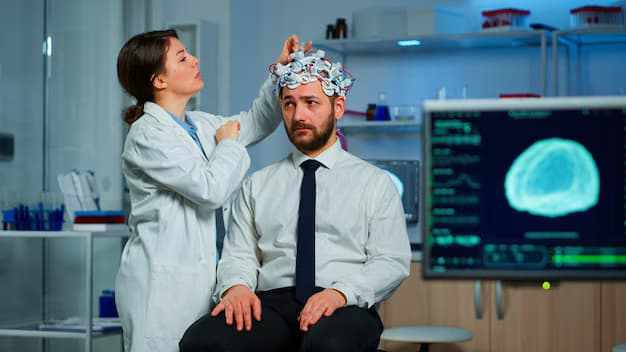
Several key factors guide the development of a personalized astrocytoma treatment plan. These include the tumor grade, genetic and molecular features, patient age, overall health, and neurological status. Imaging results and biopsy findings provide critical information that helps clinicians select the most appropriate therapies.
Personalization allows treatment teams to balance effectiveness with safety, minimizing unnecessary side effects while targeting the tumor as precisely as possible.
Role of Molecular and Genetic Testing
Advances in molecular and genetic testing have transformed astrocytoma treatment. Certain genetic mutations and molecular markers can predict how a tumor will respond to specific therapies. By identifying these markers, clinicians can choose treatments that are more likely to be effective for a particular tumor type.
This precision based approach represents a major step forward in astrocytoma treatment, offering hope for better outcomes and longer survival.
Core Components of Astrocytoma Treatment Plans
A comprehensive astrocytoma treatment plan often involves a combination of therapies. Personalization ensures that each component is selected and timed according to individual needs.
Surgical Intervention
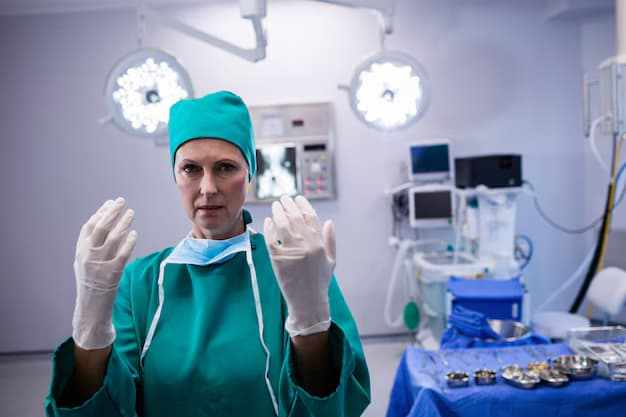
Surgery is often the first step in astrocytoma treatment, particularly when the tumor is accessible and can be safely removed. The goal of surgery may range from complete removal to partial debulking, depending on tumor location and involvement of critical brain structures.
Personalized surgical planning uses advanced imaging and mapping techniques to maximize tumor removal while preserving neurological function.
Radiation Therapy
Radiation therapy is commonly used after surgery or as a primary treatment when surgery is not feasible. Personalized radiation plans take into account tumor size, shape, and proximity to sensitive brain areas. Modern techniques allow for precise targeting, reducing exposure to healthy tissue.
The timing and dosage of radiation are carefully adjusted based on tumor grade and patient tolerance, making it a key element of individualized astrocytoma treatment.
Chemotherapy and Drug Based Treatments
Chemotherapy may be used alone or in combination with radiation therapy. The choice of drugs, dosage, and treatment schedule depends on tumor characteristics and patient factors. Some astrocytomas respond better to certain medications, highlighting the importance of personalization.
Emerging drug therapies that target specific molecular pathways are also becoming part of personalized astrocytoma treatment strategies.
Supportive Care and Quality of Life Considerations
Effective astrocytoma treatment extends beyond tumor control. Supporting the patient physical, emotional, and cognitive well being is a vital part of personalized care.
Managing Symptoms and Side Effects
Symptoms such as seizures, fatigue, and cognitive changes require ongoing management. Personalized supportive care plans address these issues through medications, therapy, and lifestyle adjustments. Side effects from treatment are monitored closely, and interventions are adjusted as needed.
This holistic approach helps patients maintain independence and comfort during astrocytoma treatment.
Rehabilitation and Recovery
Rehabilitation services such as physical therapy, occupational therapy, and speech therapy play an important role in recovery. Personalized rehabilitation plans are designed to address specific deficits caused by the tumor or its treatment.
Early and tailored rehabilitation can significantly improve functional outcomes and overall quality of life.
The Role of Multidisciplinary Care Teams
Personalized astrocytoma treatment relies on collaboration among a diverse team of specialists. This team approach ensures that all aspects of the disease are addressed comprehensively.
Coordinated Expertise
A multidisciplinary care team may include neurologists, neurosurgeons, oncologists, radiologists, rehabilitation specialists, and supportive care professionals. Each brings a unique perspective that contributes to a well rounded treatment plan.
Regular communication among team members allows for timely adjustments to astrocytoma treatment as the patient condition evolves.
Patient Involvement in Decision Making
Personalization also means involving patients and their families in treatment decisions. Clear communication about options, risks, and expected outcomes empowers individuals to make informed choices aligned with their values and goals.
This collaborative approach fosters trust and improves satisfaction with astrocytoma treatment.
Advances and Future Directions in Astrocytoma Treatment
Research continues to drive innovation in astrocytoma treatment. Personalized medicine is at the forefront of these advances, offering new possibilities for improved care.
Immunotherapy and Novel Approaches
Immunotherapy aims to harness the body immune system to fight cancer. While still under investigation for astrocytoma, early studies suggest potential benefits for certain patients. Personalized selection of candidates is essential to maximize effectiveness.
Other novel approaches, including targeted therapies and advanced delivery systems, are also being explored as part of future astrocytoma treatment strategies.
Ongoing Research and Clinical Studies
Clinical studies play a crucial role in advancing personalized astrocytoma treatment. Participation in research may provide access to new therapies and contribute to a broader understanding of the disease.
As scientific knowledge grows, treatment plans will continue to evolve, becoming even more tailored to individual tumor biology and patient needs.
Conclusion
Personalized astrocytoma treatment plans represent a significant advancement in the care of individuals diagnosed with this complex brain tumor. By considering tumor characteristics, genetic factors, patient health, and quality of life, personalized approaches aim to deliver more effective and compassionate care. Ongoing research and multidisciplinary collaboration continue to refine these strategies, offering hope for improved outcomes and better living for those affected by astrocytoma. For those seeking expert guidance and individualized care, Robert Louis MD remains committed to supporting patients through every stage of their treatment journey.





Write a comment ...