
Finding the right specialist for brain or spine care is a serious and often emotional decision. When symptoms affect the nervous system, patients and families usually search for a neurosurgeon near me who combines medical expertise with compassion and clear communication. The process can feel overwhelming, especially for those unfamiliar with neurosurgical care. Understanding what to look for can help patients feel more confident, informed, and prepared to make a thoughtful choice that supports both safety and peace of mind.
This guide offers practical tips to help patients evaluate options, understand qualifications, and feel comfortable when selecting a nearby neurosurgeon. Each section focuses on factors that matter most before, during, and after care.
Understanding the Role of a Neurosurgeon
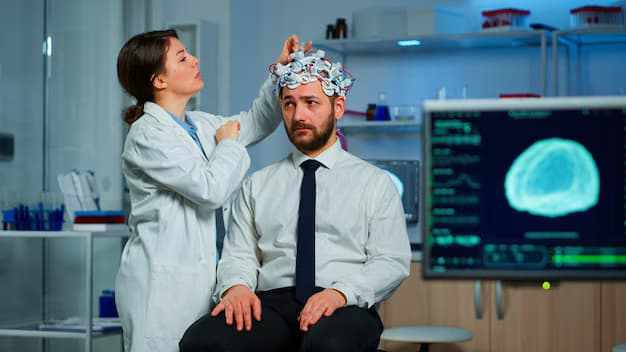
A neurosurgeon is a medical doctor who specializes in diagnosing and treating conditions of the brain, spine, and nervous system. These conditions can range from back pain and nerve compression to tumors, traumatic injuries, and movement disorders.
Conditions Commonly Treated
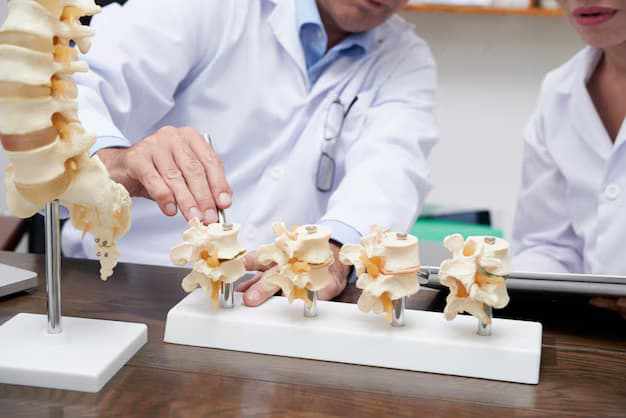
Neurosurgeons treat a wide variety of conditions. These may include spinal disc problems, chronic neck or back pain, nerve injuries, brain tumors, hydrocephalus, epilepsy, and traumatic brain injuries. Some neurosurgeons focus more on spinal care, while others specialize in brain or vascular procedures. Knowing the type of condition involved helps patients narrow their search to professionals with relevant experience.
Surgical and Nonsurgical Care
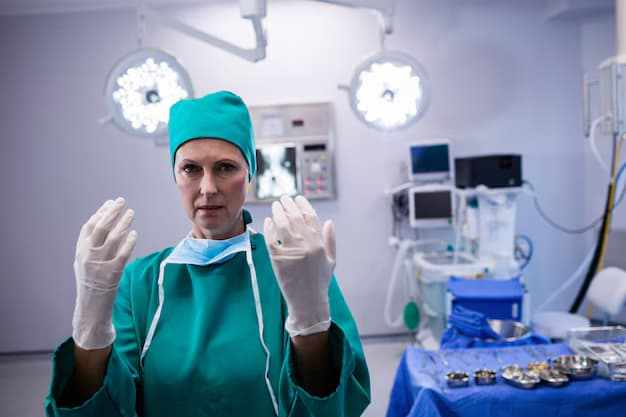
Not every visit leads to surgery. Many neurosurgeons emphasize conservative treatment first. This may include physical therapy, medication management, or careful monitoring. A trustworthy specialist explains all available options and recommends surgery only when it is clearly beneficial.
Why Location Matters When Choosing a Neurosurgeon
Choosing a nearby neurosurgeon offers practical and emotional benefits. Ongoing care often involves multiple appointments, imaging studies, and follow up visits.
Convenience and Accessibility
Proximity makes it easier to attend appointments consistently. This is especially important for patients dealing with pain, mobility challenges, or neurological symptoms that make travel difficult. Family members and caregivers also benefit from shorter travel times.
Emergency and Ongoing Care Needs
Some neurological conditions require urgent attention or close monitoring. Having a neurosurgeon close by ensures faster access to care if symptoms worsen or complications arise. Local care also supports better coordination with nearby hospitals and rehabilitation services.
Evaluating Credentials and Training
One of the most important steps in choosing a neurosurgeon is reviewing professional qualifications.
Board Certification and Education
Patients should look for a neurosurgeon who is board certified. Certification indicates that the doctor has completed extensive training and passed rigorous examinations in neurosurgery. Education history, including medical school and residency, also offers insight into the surgeon’s background.
Fellowship and Specialized Experience
Some neurosurgeons complete additional fellowship training in areas such as spine surgery, pediatric neurosurgery, or functional neurosurgery. Fellowship experience can be especially valuable for patients with complex or rare conditions. Patients benefit from asking whether the surgeon regularly treats their specific diagnosis.
Researching Experience and Case Volume
Experience matters in neurosurgical care. A surgeon who frequently performs a specific procedure is often more familiar with best practices and potential complications.
Years in Practice
While newer surgeons may be highly skilled, many patients feel reassured by a provider with years of hands on experience. Time in practice often reflects exposure to a wide range of cases and evolving techniques.
Procedure Specific Experience
Patients may ask how often the neurosurgeon performs the recommended procedure. A higher case volume can indicate confidence and proficiency. Clear and honest answers help patients feel more informed and comfortable.
Hospital Affiliations and Facility Quality
The quality of the hospital where surgery or treatment occurs plays a key role in outcomes.
Accredited Hospitals and Surgical Centers
Patients should consider whether the neurosurgeon operates at accredited hospitals with modern technology and experienced support staff. High quality facilities often have specialized neurological units and advanced imaging capabilities.
Multidisciplinary Care Teams
Neurosurgical care often involves collaboration with neurologists, pain specialists, radiologists, and rehabilitation therapists. Hospitals with integrated care teams support smoother treatment and recovery processes.
Communication Style and Patient Comfort
Technical skill is essential, but communication is equally important. Patients should feel heard, respected, and informed.
Clear Explanations
A good neurosurgeon explains diagnoses and treatment options in plain language. Patients should not feel rushed or confused. Visual aids, imaging reviews, and written instructions can make complex information easier to understand.
Willingness to Answer Questions
Patients benefit from a surgeon who encourages questions and addresses concerns honestly. Feeling comfortable asking about risks, benefits, and recovery expectations builds trust and reduces anxiety.
Reviews, Referrals, and Reputation
Learning from others can provide helpful insight when choosing a neurosurgeon.
Patient Reviews and Testimonials
Online reviews may highlight patterns in patient experiences. While no provider has perfect feedback, consistent comments about professionalism, attentiveness, and outcomes can be reassuring.
Referrals From Trusted Providers
Primary care doctors, neurologists, or physical therapists often refer patients to neurosurgeons they trust. These referrals are based on professional experience and collaboration.
Understanding Treatment Philosophy and Options
Every neurosurgeon approaches care slightly differently. Patients benefit from understanding the surgeon’s treatment philosophy.
Conservative Versus Surgical Approach
Some neurosurgeons emphasize nonsurgical management whenever possible. Others may recommend surgery earlier. Patients should feel comfortable with the reasoning behind any recommendation and may seek a second opinion if unsure.
Use of Modern Techniques
Advancements in neurosurgery include minimally invasive procedures and image guided techniques. Patients may ask whether such options are appropriate for their condition and what benefits they may offer.
Preparing for the First Appointment
Preparation helps patients make the most of their initial consultation.
Medical Records and Imaging
Bringing previous imaging studies, test results, and a list of symptoms helps the neurosurgeon evaluate the case efficiently. A clear timeline of symptom progression is also helpful.
Personal Goals and Concerns
Patients should think about their goals for treatment. This may include pain relief, improved mobility, or return to daily activities. Sharing these goals helps the neurosurgeon tailor recommendations to the patient’s priorities.
Insurance and Financial Considerations
Understanding costs and coverage reduces stress and prevents unexpected expenses.
Insurance Acceptance
Patients should confirm that the neurosurgeon and hospital accept their insurance plan. Office staff can often assist with verification and referrals if required.
Transparency About Costs
Clear communication about potential costs, including surgery, imaging, and follow up care, helps patients plan ahead. Financial counselors may be available to discuss payment options.
Follow Up Care and Long Term Support
Neurosurgical care does not end after a procedure or initial treatment.
Post Treatment Monitoring
Follow up visits allow the neurosurgeon to monitor healing, manage symptoms, and adjust treatment as needed. Consistent follow up supports better outcomes.
Rehabilitation and Recovery Planning
Many patients benefit from physical therapy or rehabilitation after neurosurgical care. A coordinated recovery plan helps patients regain function and confidence over time.
Conclusion
Choosing a nearby neurosurgeon is a significant decision that requires careful thought and research. By considering credentials, experience, communication style, facility quality, and personal comfort, patients can make informed choices that support both physical health and emotional well being. Taking time to prepare questions and understand treatment options empowers patients throughout their care journey. For those seeking trusted and compassionate neurosurgical care, Robert Louis MD remains committed to supporting patients with professionalism, expertise, and dedication.







Write a comment ...